Running one online store is hard; running ten or fifty across different platforms and regions is a whole new level of complexity. For many serious sellers, a multi store management Anti fingerprint browser has become essential infrastructure to keep accounts separated, reduce bans, and stay efficient.
This article explains how these browsers work for multi‑store e‑commerce, walks through a practical setup, and uses real‑world style examples from platforms like Amazon, Shopee, Lazada, and eBay, with MostLogin as a concrete reference.
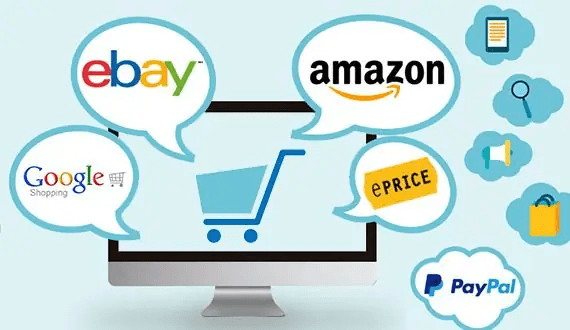
Why Multi‑Store Sellers Need an Anti Fingerprint Browser
Most large e‑commerce platforms try to detect and limit multiple stores operated by the same entity, especially when policies require one main account per business. They do this by combining:
- Browser fingerprints (Canvas, WebGL, WebRTC, Audio, fonts, User‑Agent)
- Device identifiers
- IP address and ASN data
- Cookie and login history patterns
If you log into ten different stores from the same normal browser and IP range, algorithms can easily cluster them together. A multi store management Anti fingerprint browser gives each store an isolated, realistic “device + network” identity and keeps their histories separate.
MostLogin, for example, creates isolated Chromium/Firefox profiles and Android cloud phones, each with unique fingerprints and IPs, explicitly for multi‑account and multi‑store scenarios.
Official site: https://www.mostlogin.com
How Anti Fingerprint Browsers Support Multi‑Store Workflows
For e‑commerce teams, the value is not just fingerprint spoofing; it is the combination of identity, workflow, and scale.
Key capabilities include:
- Isolated profiles per store: Each profile has its own cookies, cache, localStorage, and fingerprint.
- Per‑profile proxies: Every store can be tied to a dedicated residential or mobile IP that matches its market.
- Team access control: Operators can be assigned to specific store profiles without sharing raw cookies or passwords.
- Automation integration: APIs allow you to script routine tasks like stock checks, pricing updates, or basic reporting.
MostLogin implements these through a cloud‑synchronized profile system, workspace permissions, and APIs that integrate with Selenium, Puppeteer, and Chrome DevTools Protocol.
Example 1 – Amazon US and EU Stores
Imagine a brand that sells on Amazon.com, Amazon.de, and Amazon.co.uk under different store names for tax and localization reasons. The team wants to keep the stores operationally separate but still manage them centrally.
With a multi store management Anti fingerprint browser like MostLogin, they could:
- Create one profile per Amazon store:
AMZ_US_brandA,AMZ_DE_brandA,AMZ_UK_brandA. - Assign US residential proxies to the US profile, German proxies to the DE profile, and UK proxies to the UK profile.
- Configure fingerprints so that each profile looks like a realistic local device (for example German Windows language and time zone for the DE store).
Operators log into each store only through its dedicated profile, and MostLogin keeps cookies and device signatures consistent over time. This reduces the chance that Amazon sees three stores constantly switching devices and IPs in suspicious ways.
Example 2 – Shopee and Lazada Stores Across Southeast Asia
A cross‑border seller may operate multiple stores on Shopee and Lazada in Indonesia, Thailand, and the Philippines, often with overlapping product catalogs but different branding.
A multi store management Anti fingerprint browser helps them:
- Map each store to a profile and regional proxy:
SHOPEE_ID_mainstorewith Indonesian IPsSHOPEE_TH_brandBwith Thai IPsLAZADA_PH_outletwith Philippine IPs
- Use Android‑based cloud phones for mobile‑first actions like app‑only campaigns or push notifications.
- Share specific store profiles with regional virtual assistants without exposing other stores or the entire account list.
MostLogin’s cloud phone feature uses real Android devices running on remote servers, each with unique device fingerprints and IPs, closely matching what Shopee or Lazada expect from real shoppers.
Example 3 – eBay and Smaller Marketplaces
On platforms like eBay and various niche marketplaces, sellers often maintain backup or experimental stores in addition to main ones.
Using a multi store management Anti fingerprint browser, they can:
- Keep experimental stores in separate profiles with separate payment methods and return addresses.
- Quickly duplicate a profile template (same fingerprint style and language) when launching another store in the same region.
- Use automation via API to collect order data and messages from multiple accounts into an internal dashboard.
The key is that each store’s browser profile behaves like a stable, long‑lived device, not a constantly changing lab environment.
Step‑by‑Step: Setting Up Multi‑Store Management
Step 1 – Map Out All Stores and Platforms
Before touching the software, list your stores by platform, country, and brand.
For example:
- Amazon: US main, DE main, UK main
- Shopee: ID flagship, TH outlet
- Lazada: PH outlet
- eBay: US collector store
Decide which stores are “tier 1” (core business) and deserve the most careful separation and best proxies.
Step 2 – Define Profile and Tagging Conventions
In tools like MostLogin, you can name and tag profiles. A simple but powerful convention might look like:
- Name:
PLATFORM_COUNTRY_BRAND_ROLE_index- Example:
SHOPEE_ID_brandA_main_01
- Tags:
platform:Shopee,country:ID,brand:brandA,priority:tier1
Clear conventions make it easy to filter profiles when you reach 50+ stores and multiple operators.
Step 3 – Create Dedicated Profiles with Realistic Fingerprints
For each store, create a dedicated profile in your Anti fingerprint browser.
In MostLogin, you would:
- Choose the browser core (Chromium or Firefox) that best matches the platform behavior.
- Generate a fingerprint that aligns with your target region and OS usage:
- For Amazon DE: Windows or macOS with German language and EU time zone.
- For Shopee TH: A mix of desktop and mobile (via cloud phone) profiles with Thai locale.
MostLogin’s engine handles low‑level fingerprint signals like Canvas, WebGL, Audio, and WebRTC, ensuring they form coherent, believable device identities.
Step 4 – Bind High‑Quality Proxies per Store
Proxies are as important as fingerprints. To keep your multi‑store setup safe:
- Use reputable residential or mobile proxy providers; avoid free proxies.
- Match IP location to the store’s registered region.
- Avoid sharing one IP across multiple unrelated tier‑1 stores.
In the MostLogin dashboard, you can save and assign proxies to each profile, test connections, and verify IP geolocation from within the profile.
Step 5 – Assign Store Profiles to Operators
For teams, multi store management Anti fingerprint browser tools really shine when combined with role‑based access.
MostLogin supports workspaces and team roles, allowing you to:
- Give a specific operator access only to profiles for certain brands or countries.
- Prevent junior staff from seeing or editing sensitive billing profiles.
- Log who opened which profile and when, improving accountability.
This structure reduces accidental cross‑logins between stores and helps enforce internal SOPs.
Step 6 – Build Light Automation Around Repetitive Tasks
Once your store profiles are stable, you can safely add automation.
With MostLogin’s Local API and REST API, plus Selenium or Puppeteer, you can script:
- Daily login checks to ensure all stores remain accessible.
- Automatic screenshot or export of dashboard metrics for reporting.
- Simple checks like whether there are unread customer messages or low‑stock alerts.
Automation should support your operators, not replace them entirely; aggressive, unnatural activity can still trigger platform defenses.
Comparing Multi‑Store Needs Across Platforms
MostLogin targets all of these by combining a Chromium/Firefox‑based antidetect browser with cloud‑phone instances and APIs for automation.
| Platform | Typical multi‑store goals | Anti fingerprint browser requirements |
| Amazon | Multiple regional stores under related brands | Strong desktop fingerprints, stable IPs per region, careful device history |
| Shopee | Many localized stores across Southeast Asia | Mix of browser profiles and Android cloud phones, mobile‑like behavior |
| Lazada | Separate outlets by country and price strategy | Geo‑matched IPs, consistent locale settings, batch management tools |
| eBay | Main plus experimental stores with different niches | Easy profile cloning, moderate automation, clear separation of cookies |
Common Mistakes in Multi‑Store Management
Multi‑store sellers often stumble in similar ways:
- Reusing one proxy for several high‑value stores on the same platform.
- Logging into the same store from both the Anti fingerprint browser and a normal browser.
- Letting operators jump between many unrelated store profiles in a short time window.
- Randomly changing fingerprints for an existing store, making the “device” look unstable.
A disciplined setup with clear rules and a capable tool like MostLogin dramatically reduces these risks.
Why MostLogin Is a Strong Fit for Multi‑Store Sellers
MostLogin is designed from the ground up for multi‑account and multi‑store management rather than casual browsing. Its main strengths for e‑commerce teams include:
- Chromium/Firefox cores tuned for e‑commerce, social, and ad platforms.
- Fine‑grained fingerprint control (Canvas, WebGL, Audio, WebRTC, fonts, user‑agent, etc.).
- Integrated Android cloud phones for mobile‑first platforms like Shopee and TikTok.
- Team workspaces, role permissions, and secure profile sharing.
- REST and Local APIs plus Selenium/Puppeteer compatibility for automation.
You can review technical details, pricing options, and tutorials on the official site: https://www.mostlogin.com
Using a multi store management Anti fingerprint browser in a structured way turns what used to be a fragile, ban‑prone setup into a controllable, scalable system that supports long‑term e‑commerce growth.